LLC Formation
DBA vs LLC: Does Your Company Need Another Name?
DBA vs LLC is a comparison between a business name and a legal entity.
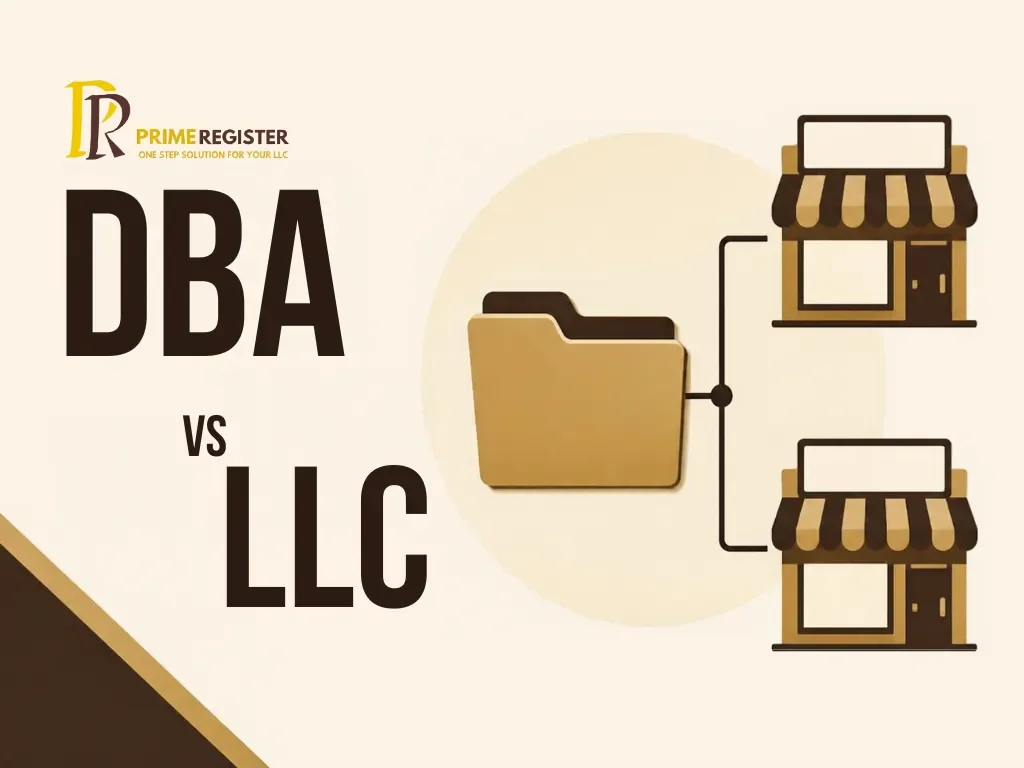
DBA vs LLC is a comparison between a business name and a legal entity. A DBA, also called an assumed or fictitious name in some jurisdictions, lets a business operate under another name where the relevant rules permit it. An LLC is the entity that owns the business and enters its obligations.
Registering a DBA does not create another LLC or automatically protect a brand as a trademark.
DBA vs LLC: what changes and what does not
| Item | LLC | DBA |
|---|---|---|
| Main function | Creates a state-law business entity | Records an alternate business name |
| Separate entity | Yes, subject to applicable law | No separate entity merely from the name filing |
| Ownership | Has members | Follows the person or entity using the name |
| Tax classification | Assessed for the entity | Name alone does not determine classification |
| Trademark protection | Entity filing is not trademark clearance | Assumed-name filing is not trademark clearance |
The SBA's naming guidance treats entity names, DBAs, domains and trademarks as distinct registrations.
When an existing LLC might use a DBA
An LLC might use a different storefront name, product brand or service name. For example, “Example Operations LLC” might want to trade as “Example Design Studio.” Whether that requires registration depends on the jurisdiction and how the name is used.
Check the rules where the business operates, not only where the LLC was formed. Filing offices can differ by entity type and location. Some processes are state-level, some local, and some involve additional requirements.
Do not assume dropping the LLC suffix is always harmless. Compare the intended public name with the relevant state's definition of an assumed name.
Complete the LLC name search and trademark checks before spending money on a new trading brand.
A state example: Texas
Texas provides Form 503 for an assumed-name certificate. Its current instructions list a $25 filing fee and explain the filing period and information required. Use the Texas Form 503 instructions for a Texas filing rather than applying those details nationally.
A registered assumed name is not necessarily exclusive. Search for trademark and commercial conflicts before committing to the brand, even if the filing office accepts the certificate.
Keep the certificate, expiration or renewal reminder and any related bank records together.
Keep contracts and payments understandable
Customers should be able to identify the actual legal business behind the trading name. Ask the appropriate adviser how to present the legal entity and DBA on contracts and invoices.
Banks and payment processors may require evidence connecting the trading name to the LLC. Update the provider through its documented process rather than opening a profile with an unexplained business name.
Use consistent records so a customer payment, invoice and bookkeeping entry can be traced to the same entity. A different brand name does not justify moving revenue into an unrelated personal account.
The business banking preparation guide explains the wider evidence a provider may request alongside assumed-name documents.
One LLC with several brands is still one entity
Using several DBAs does not by itself separate the liabilities or assets of those activities. If distinct businesses have different risks, partners or potential buyers, assess whether a separate entity is more appropriate.
Likewise, creating multiple LLCs adds its own filing, banking and compliance work. The right choice should reflect the business arrangement, not the number of website names you own.
Decide the purpose before paying for a filing
Write down the current legal name, proposed trading name, operating locations and who needs to see the connection. Then identify the correct filing office, renewal requirements and any trademark questions.
If your goal is simply to change the LLC's legal name, an amendment may be the relevant process instead of a DBA. Confirm that distinction before ordering a service.
Contact PrimeRegister to discuss your formation or existing company details and confirm whether assistance with the relevant name filing is available.
Also compare LLC vs business license: registering a trading name does not grant permission for a regulated activity.