Business Operations
EIN vs Importer Number: US LLC Customs Preparation
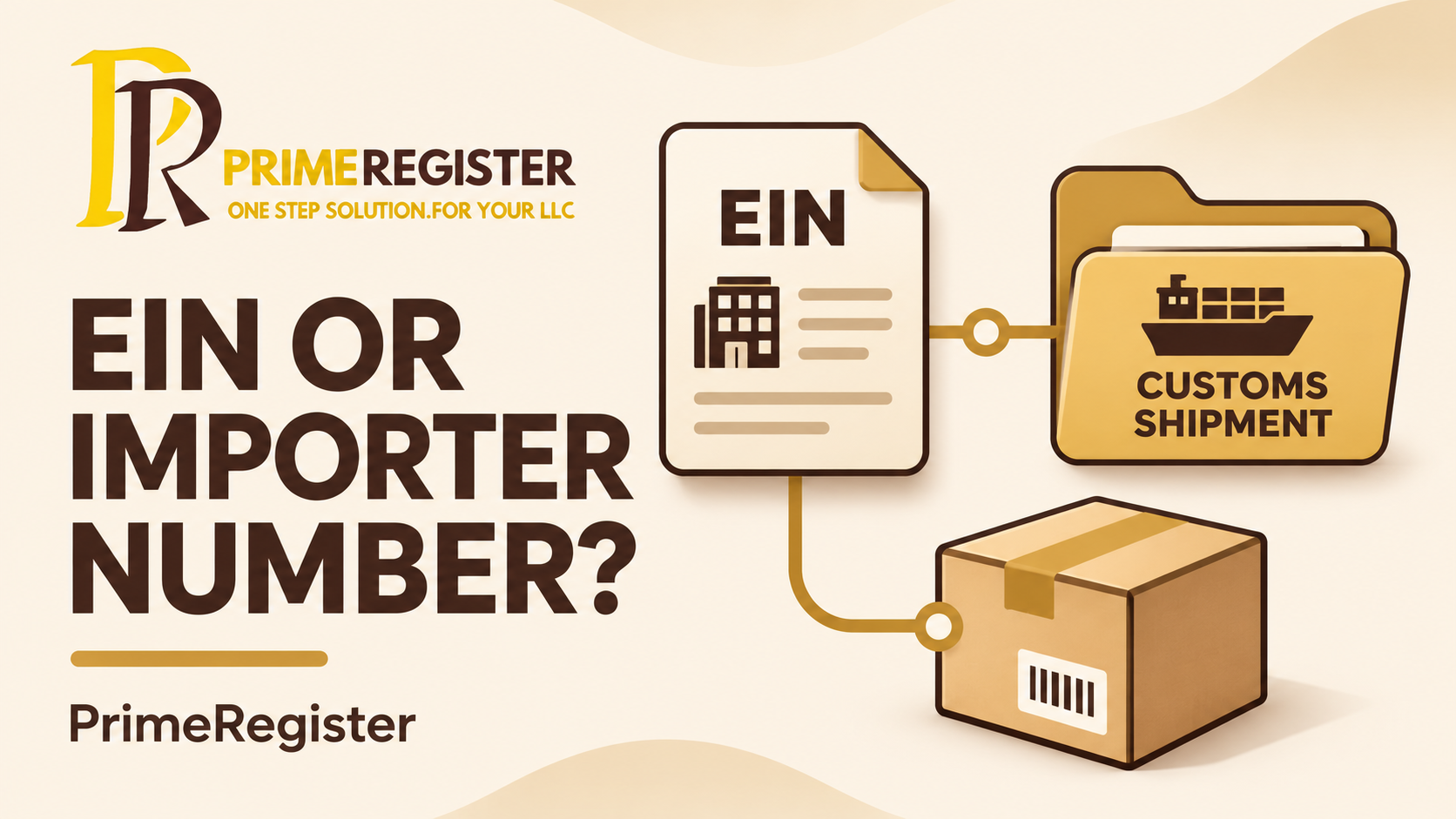
EIN vs importer number can be confusing because a US business's EIN is commonly used as part of its importer identification. That does not mean an EIN is an import license or that obtaining one completes customs setup. The importer, goods and shipment requirements still need to be established.
EIN vs importer number can be confusing because a US business's EIN is commonly used as part of its importer identification. That does not mean an EIN is an import license or that obtaining one completes customs setup. The importer, goods and shipment requirements still need to be established.
Before a supplier dispatches inventory, confirm who is responsible for importation and which records the carrier or customs broker needs. Doing this before shipment is easier than resolving inconsistent names while goods are waiting for clearance.
EIN vs importer number: how they relate
CBP explains that the importer number is usually the IRS business tax number. It also provides a route to request a CBP-assigned number using Form 5106 where appropriate. The number identifies the relevant importer; it does not approve the goods themselves. CBP importer-number guidance.
The EIN
This is an IRS-issued business tax identifier. Keep the issued confirmation available. Our EIN confirmation-letter guide explains the relevant records.
The importer record
This connects customs information to the importer. Ask the broker what setup, updates and supporting documents are needed for the actual shipment instead of improvising the number format.
Agree who is importing before placing the order
The seller, buyer, carrier, broker and fulfillment warehouse can have different roles. A warehouse receiving the goods is not automatically the party taking every customs responsibility.
Ask the supplier to explain the quoted shipping terms and identify who will arrange clearance, pay duties and provide information. Have a broker review unclear arrangements, especially when a supplier says everything is included but cannot identify the responsible party.
| Question | Why it matters |
|---|---|
| Who is the importer? | The legal identity must be consistent |
| What are the goods? | Classification and product rules depend on the actual merchandise |
| Where are they made and shipped from? | Origin and shipment facts can affect treatment |
| What is the value? | Documentation must support the declared transaction |
| Who receives the shipment? | Delivery details must match the logistics plan |
An LLC does not replace product-specific checks
CBP's new-importer guidance recommends reviewing commodity requirements and other government-agency requirements. Some goods need additional permits or compliance steps. A company registration is not a universal authorization for every category. CBP tips for new importers.
Avoid assuming that a product listed on a marketplace is therefore cleared for your particular import. Ask about the exact materials, use, labeling and product category before committing to a large order.
Prepare one consistent shipment file
Company identity
Use the correct legal business name and address in the records provided to the broker. Explain legitimate differences between the store brand and the LLC name.
Commercial and logistics documents
Collect the supplier invoice, packing details, transport information and the product information requested by the broker. Check quantities and descriptions before the goods leave.
Authority and communication
Use legitimate broker channels and understand documents you are asked to sign. Verify unexpected requests for sensitive company information rather than sending identification to an unverified email address.
Keep customs costs separate from the product price
Build the landed-cost estimate with the broker or logistics provider. Include the charges relevant to your shipment rather than assuming the supplier's unit price represents the complete cost. Customs requirements and tariff treatment can change; use current guidance for the goods and entry date.
The business also needs accurate inventory and sales records after the goods arrive. Our ecommerce LLC guide and Amazon seller guide cover other launch decisions.
Form the company around the real supply chain
If a US LLC fits your import and sales plan, contact PrimeRegister for formation questions. Coordinate importer setup and product requirements with CBP and a qualified customs professional. An EIN is an important identifier, but successful importing requires a complete, accurate shipment process.
Research checked 7 November 2026. General information, not individual legal or tax advice. Check current official requirements before acting.