Payments and Marketplaces
Do You Need an LLC to Sell on Amazon? A Founder’s Guide
Amazon does not require every seller to form an LLC. Separate marketplace registration from the business-structure decision before you start selling.
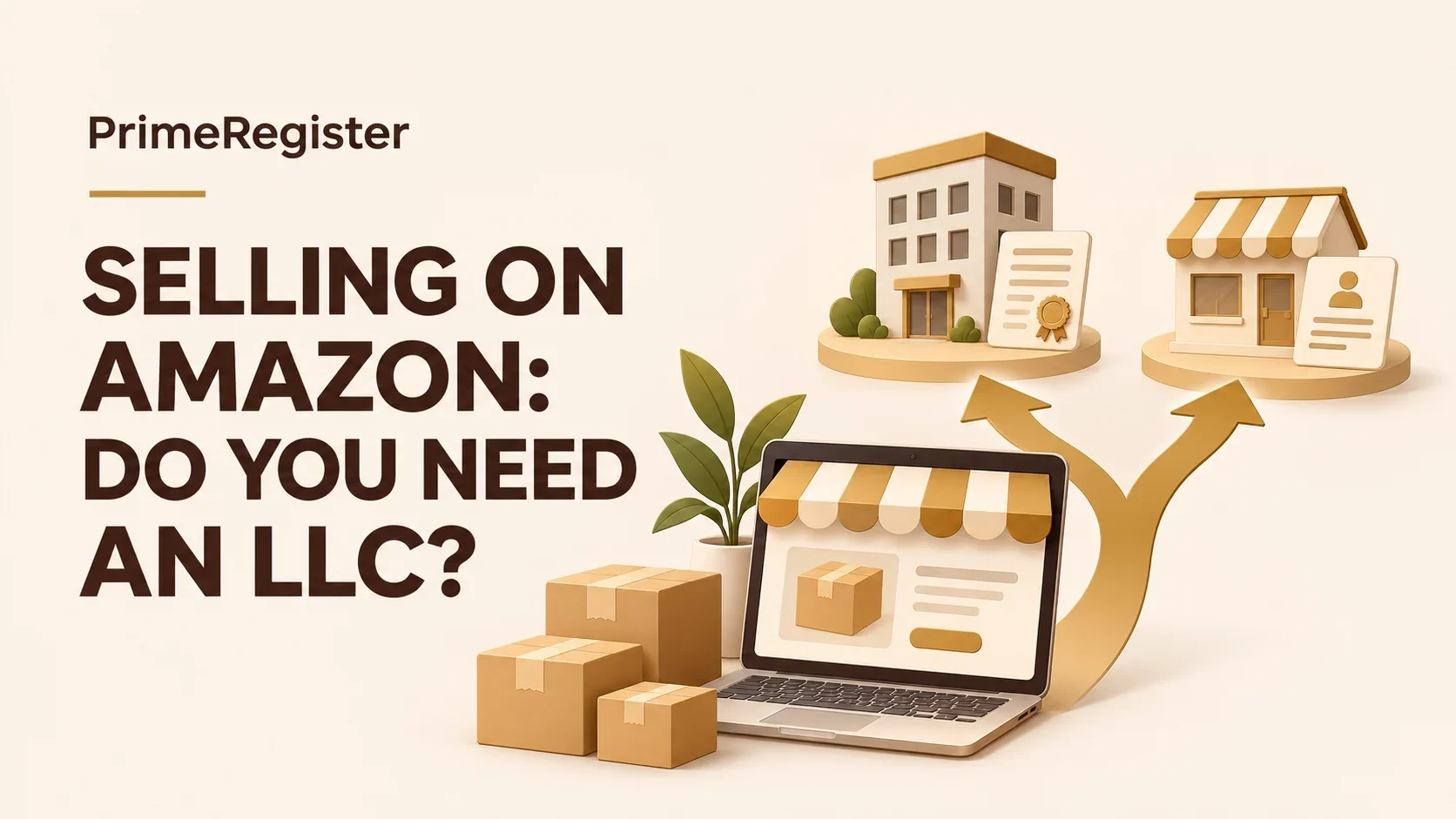
Do you need an LLC to sell on Amazon? No—Amazon does not require every seller to have an LLC or an incorporated business. Its registration guide includes an individual route. However, choosing how to own and operate a business is a separate decision from meeting the marketplace's minimum registration requirements. Amazon seller registration guide.
For an international founder, the useful next question is whether a US LLC fits the products, ownership, banking and obligations of the business. This guide helps you make that decision before adding formation costs to an already expensive product launch.
Do you need an LLC to sell on Amazon as a non-US resident?
Being outside the US does not by itself answer whether you need a US company. First check whether Amazon accepts registration from your actual business location or country of residence, and which documents it requests for that route. Consult the current accepted-country requirements before relying on a general international-seller tutorial.
Do not assume that forming in a US state bypasses location restrictions or identity checks. The company's formation country and the owner's residence are different facts. Your application should accurately describe both.
If the international registration route is available to you, compare it with the US LLC route on its merits. The simplest eligible setup may suit a small test; a more established operation may benefit from a separate company structure. Neither choice removes product, account or tax responsibilities.
An Amazon selling plan is not a legal entity
Amazon's Individual and Professional selling plans concern platform pricing and features. They are not the same thing as being an individual person, a sole proprietor or an LLC. Review the current Amazon selling-plan comparison based on your expected selling activity.
Keep three choices on separate lines in your launch plan:
| Decision | What it changes |
|---|---|
| Legal structure | Who owns the business, signs contracts and bears its obligations |
| Amazon selling plan | Marketplace features and selling-plan charges |
| Fulfillment method | Who stores, ships and handles the operational side of orders |
Choosing a Professional plan does not form a company. Forming an LLC does not pay Amazon's selling fees. Using a fulfillment service does not decide the correct tax treatment of your business.
When a US LLC may be worth considering
An LLC may deserve a closer look when you are building a continuing business rather than testing a few listings. Consider the practical questions below with qualified legal and tax advisers where appropriate.
Ownership and decision-making. Will one person own the operation, or will partners contribute money, inventory or work? Document ownership and authority before disputes arise. See our single-member versus multi-member LLC guide.
Contracts and recordkeeping. Would a separate entity make it clearer who buys inventory, contracts with suppliers and receives business income? An LLC is useful only if the operational records actually follow the structure.
Risk management. Physical products can create contractual and product-related exposure. Entity choice is only one part of managing that risk; insurance, product compliance and careful supplier agreements also matter. Do not treat an LLC as absolute protection from every claim or personal obligation.
Longer-term business plans. Are you building a brand, adding owners or planning additional sales channels? Evaluate the structure against those plans rather than against a single account-opening step.
For a broader framework, read our LLC for ecommerce guide.
When forming immediately may be premature
You may need more research before forming if you have not yet confirmed that the intended product can be sold, obtained reliable supplier information or calculated the economics of an order.
Consider two illustrative founders. One has a small product test, no co-owner and no confirmed repeat demand. Another has a supplier contract, two owners and a substantial inventory commitment. They may reasonably reach different structure decisions. The difference is the business they are building, not a rule that every Amazon seller must buy a US LLC.
Before paying a formation provider, write down the specific problem the company solves. “I saw a video saying Amazon needs one” is a reason to verify the premise, not a complete business case.
Prepare registration details before opening the account
Amazon's registration process asks for information about the business and seller, payment arrangements and verification. The exact identity checks depend on the registration circumstances. Use Amazon's seller identity-verification guidance and the current prompts in your own application.
A useful preparation folder contains the following categories:
- Issued company documents if registering a company.
- Current identity and address evidence for the relevant people.
- Payment and payout details that match the chosen business arrangement.
- Accurate ownership and contact information.
- Product and supplier records needed for your proposed listings.
This is an organizational checklist, not a universal document list. Do not buy templates that promise to substitute for genuine records. If two documents show different information, resolve the underlying difference before submitting them.
If you later change the entity behind an existing seller account, ask Amazon about its current update and verification process before changing documents. Do not assume creating a second account is the correct solution.
Build a launch budget beyond the formation fee
Your budget should separate government and formation charges from marketplace and operating costs. Include inventory, samples, inspection, shipping, customs work where relevant, storage, returns, advertising, software, insurance and professional support.
For the company side, use our US LLC first-year and renewal costs guide. For the selling side, use Amazon's current fee tools with your actual product dimensions, price and fulfillment method.
Do not judge profitability from sale price minus the supplier's unit cost alone. A product can have an attractive markup and still lose money after returns, storage and customer-acquisition costs.
Keep the tax interview separate from the company name
A US LLC, an EIN and US tax residency are not interchangeable. Complete the tax interview according to the actual owner and federal tax classification, obtaining advice when the options do not clearly fit. Our LLC tax-classification guide explains why the same state-law entity can have different federal tax treatment.
Also review inventory locations and all sales channels with an adviser. Marketplace collection of particular taxes should not be treated as a blanket conclusion that you have no registrations, returns or other obligations anywhere. Keep sales and inventory records from the beginning.
Decide in the right order
Confirm product viability and registration eligibility first. Then compare legal structures, calculate ongoing costs and organize the supporting records. Open the marketplace account with consistent information and a clear operating plan.
If a US LLC fits that plan, contact PrimeRegister to discuss formation. Amazon controls seller approval and platform access; company formation does not guarantee either.
Research checked 7 November 2026. Provider requirements and tax guidance can change; use the current official instructions for your circumstances.