Tax and Compliance
Amazon FBA Sales Tax Nexus: Inventory and Marketplace Rules
Amazon FBA sales tax nexus requires more than asking whether Amazon collects tax at checkout. You need to know where your inventory is held, which sales are covered by marketplace collection and whether you also sell through other channels. The registration and filing answer depends on the relevant state's rules.
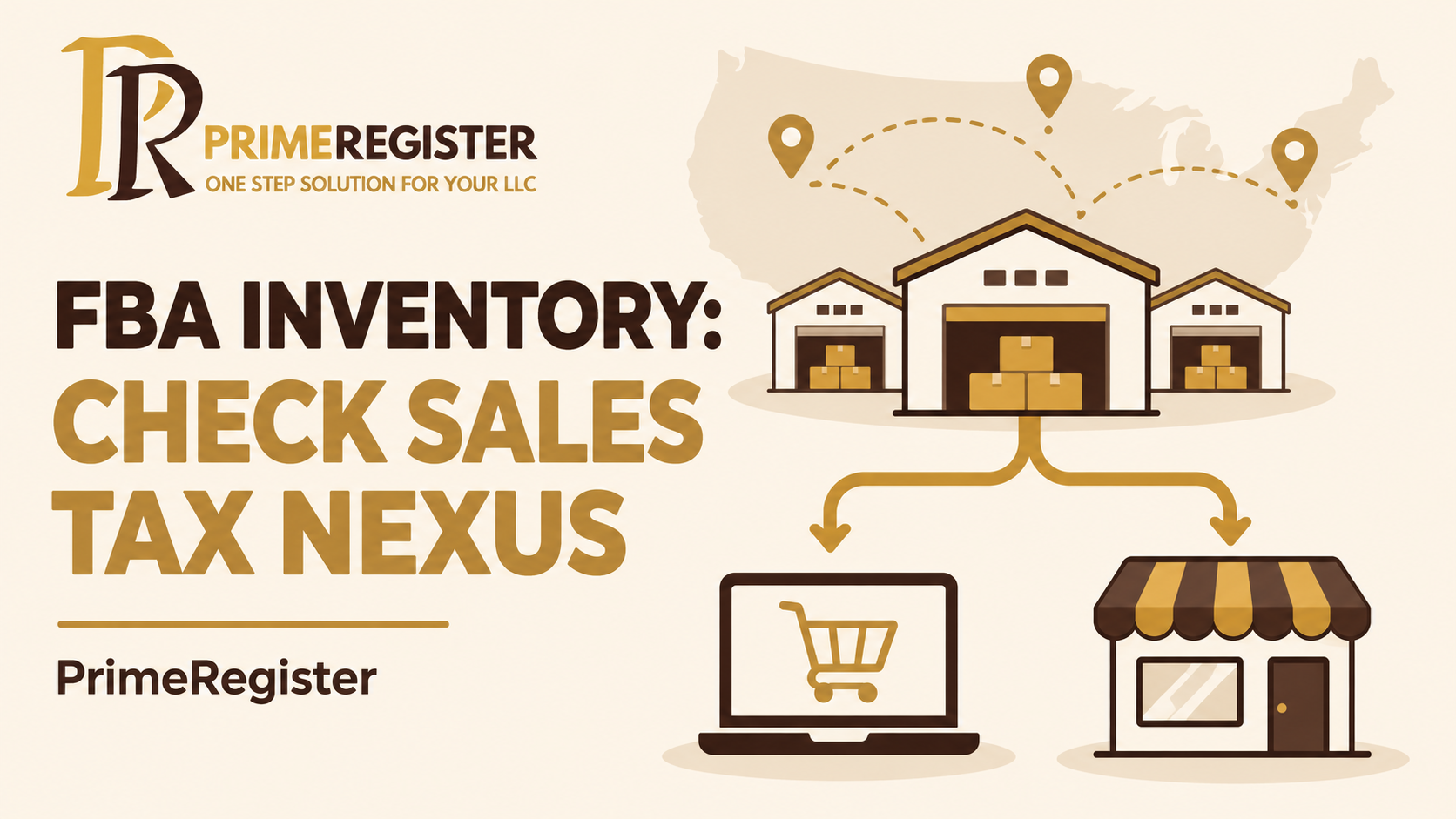
Amazon FBA sales tax nexus requires more than asking whether Amazon collects tax at checkout. You need to know where your inventory is held, which sales are covered by marketplace collection and whether you also sell through other channels. The registration and filing answer depends on the relevant state's rules.
Do not apply one nationwide conclusion to every warehouse and storefront. Start with an inventory map and a channel-by-channel sales report, then review the states involved.
Amazon FBA sales tax nexus: why inventory matters
Physical inventory can be relevant to a state's connection with a seller. California's fulfillment-center guidance discusses out-of-state sellers storing inventory in the state. Its marketplace-facilitator rules must also be considered before concluding what registration is required. California fulfillment-center guidance.
That is a California example, not a statement that every state has identical thresholds or exceptions. Inventory, economic activity and marketplace-only rules need jurisdiction-specific review.
Marketplace collection and your own obligations differ
California generally places collection responsibility for covered marketplace sales on the facilitator. Its guidance also provides a registration exception for sellers whose California sales are exclusively through qualifying registered marketplace facilitators, while addressing mixed-channel situations separately. Check the conditions, rather than relying only on the general inventory rule. California marketplace-facilitator guide.
This illustrates why both statements—“inventory always means register everywhere” and “Amazon handles everything”—are too broad.
Marketplace-only sales
Identify the actual platform and confirm that the transactions fall within the applicable marketplace rules. Keep the platform's reports showing the covered activity.
Direct website sales
Separate orders placed through your own checkout. Marketplace collection on one channel does not automatically cover another channel's sales.
Other obligations
Sales-tax analysis is separate from income tax, company qualification and annual entity maintenance. Do not use a sales-tax exception as a universal conclusion about doing business in a state.
Build a state-by-state evidence file
| Information | Why it belongs in the review |
|---|---|
| Inventory locations and dates | Shows where stock was held during the period |
| Marketplace sales | Identifies covered transactions and collection |
| Direct sales | Shows activity outside marketplace collection |
| Returns and transfers | Explains movement and adjustments |
| Existing registrations | Prevents overlooking ongoing filing duties |
Keep historical reports. A current warehouse snapshot may not show where inventory was located earlier in the year. Ask your accountant which report format will be useful before exports become difficult to retrieve.
Example: adding a direct store changes the review
Imagine a seller initially sells only through a marketplace. Later, the seller launches a separate website and uses inventory fulfillment for those orders too.
The operational change may require a fresh review even if the product and LLC are unchanged. Identify where the direct orders are delivered, how they are fulfilled and which registrations or collection duties apply. Do not keep relying on advice that assumed every sale occurred through the marketplace.
Do not register randomly or ignore existing accounts
Before opening a tax account
Establish why registration is required or appropriate and what recurring filings it creates. A checklist of every state is not a substitute for analysis.
If already registered
Check filing obligations even during periods with little activity. If the business changes or closes, follow the agency's account-update or closure process rather than simply stopping submissions.
If historical exposure is possible
Collect records and obtain advice before choosing a correction or disclosure approach. Do not assume today's marketplace collection settles earlier periods.
Connect the tax review to the wider launch plan
Our Amazon LLC guide separates entity choice from marketplace registration. Our sales-tax guide and foreign-qualification guide explain other questions to review separately.
Contact PrimeRegister for formation questions. For sales-tax decisions, take the inventory and sales records to the relevant state agency or a qualified adviser so the answer fits the actual channels and locations.
Research checked 7 November 2026. General information, not individual legal or tax advice. Check current official requirements before acting.