Tax and Compliance
Delaware State Tax Filing for LLC Owners
Delaware state tax filing for an LLC involves more than the annual LLC tax paid to the Division of Corporations. Income-tax reporting, a Delaware business license and gross receipts tax can be separate questions depending on classification and actual business activity.
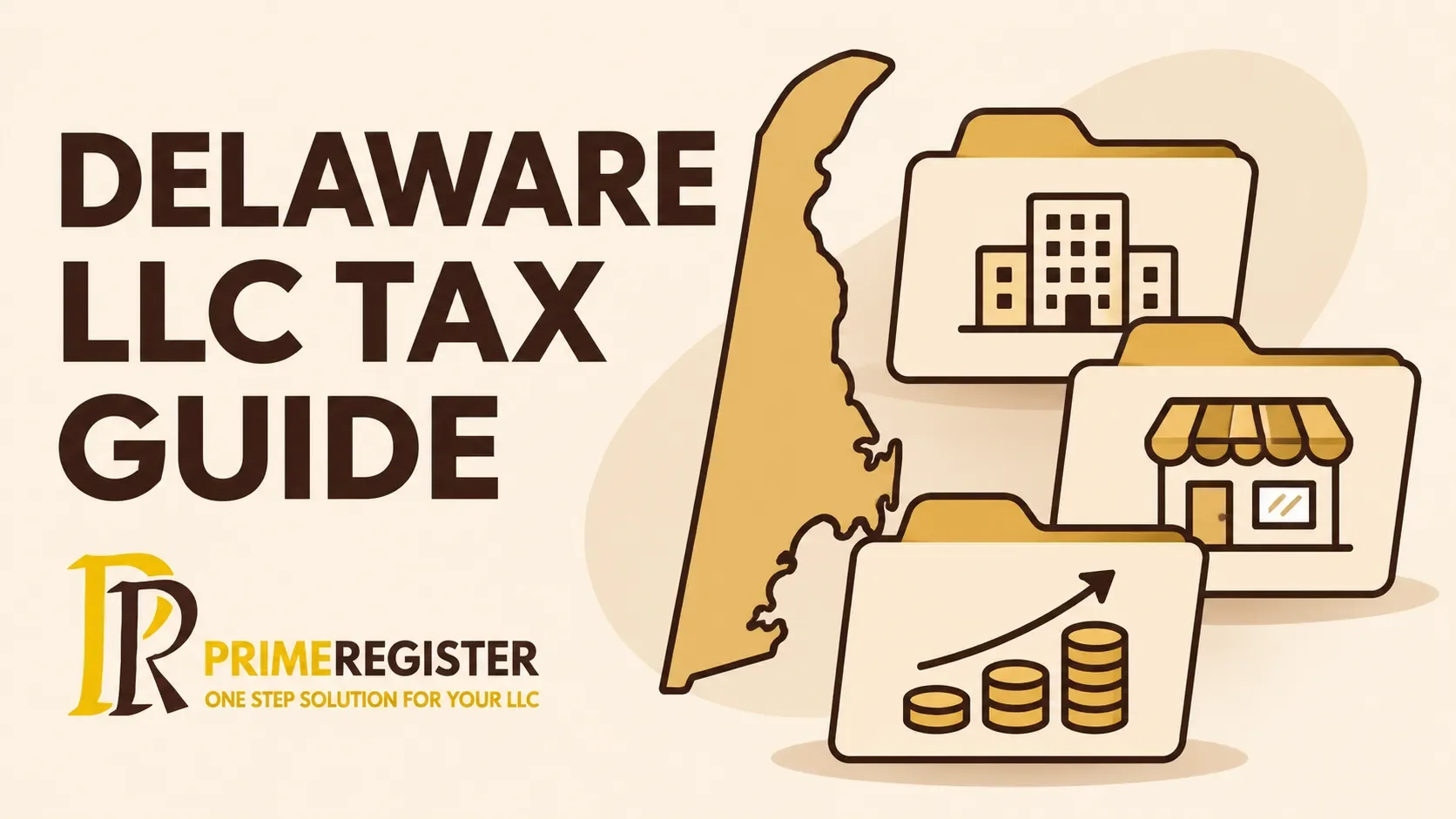
Delaware state tax filing for an LLC involves more than the annual LLC tax paid to the Division of Corporations. Income-tax reporting, a Delaware business license and gross receipts tax can be separate questions depending on classification and actual business activity. Delaware LLC tax guidance.
Forming an LLC in Delaware does not provide a universal exemption from state taxes everywhere. It also does not mean every foreign-owned Delaware LLC has identical Delaware income-tax obligations. Establish the actual operating facts first.
Delaware state tax filing: separate the agencies and tasks
| Task | What to investigate |
|---|---|
| Annual LLC tax | Division of Corporations entity obligation |
| Income-tax reporting | Classification, Delaware income and owner circumstances |
| Business license | Delaware activity and applicable license category |
| Gross receipts tax | Taxable business activity and the relevant receipts rules |
| Employer accounts | Requirements when workers and payroll create obligations |
Use the Delaware annual LLC tax guide for the Division of Corporations payment. This article covers the additional tax and operating questions rather than repeating that annual-tax tutorial.
Identify where the business actually operates
Describe offices, people, inventory, contracts and where services are performed. A registered-agent address should not be presented as an operating office if it only receives legal correspondence.
For example, a Delaware-formed company whose founder works from another jurisdiction needs a review of that jurisdiction too. Delaware formation does not cancel tax or foreign-qualification obligations arising where the company actually does business. See foreign qualification versus foreign ownership.
Review the Delaware business license
The Division of Revenue's business license FAQ explains the license framework for conducting business in Delaware. Determine the appropriate activity category and any local or professional permissions as well.
A business license is not the same document as the certificate that created the LLC. Keep both records where required. The LLC versus business license guide explains the practical difference.
Do not confuse no sales tax with no gross receipts tax
Delaware does not have a state retail sales tax, but its gross receipts tax can apply to the seller's business activity. Classifications, exclusions and filing frequencies must be checked under the state's rules. Delaware gross receipts tax FAQ.
Prepare receipts by business activity and location. Do not calculate a bill using one headline rate without reviewing the relevant category. Also avoid describing a seller-level gross receipts obligation as a standard sales tax collected from every customer.
Match income reporting to the LLC classification
Review whether the LLC is disregarded, a partnership or taxed as a corporation, then use the applicable Delaware instructions. Provide owner residency, elections, activity locations and prior returns to the preparer. The LLC tax classification guide explains the starting point.
Keep the Division of Corporations payment, Division of Revenue returns and any out-of-state obligations on separate calendar lines. Reconcile account notices and payments before declaring the year complete. One accepted filing rarely proves that every agency's requirement has been satisfied.
For operations in neighboring New Jersey, review the New Jersey LLC tax filing guide. A Delaware annual payment does not settle New Jersey income or partner-reporting obligations.
Use a qualified tax professional for the calculations and elections that apply to your facts. For a separate question about setting up a new LLC, contact PrimeRegister to discuss formation support.