Company Documents
LLC Business Records: Build a Reliable Company Folder
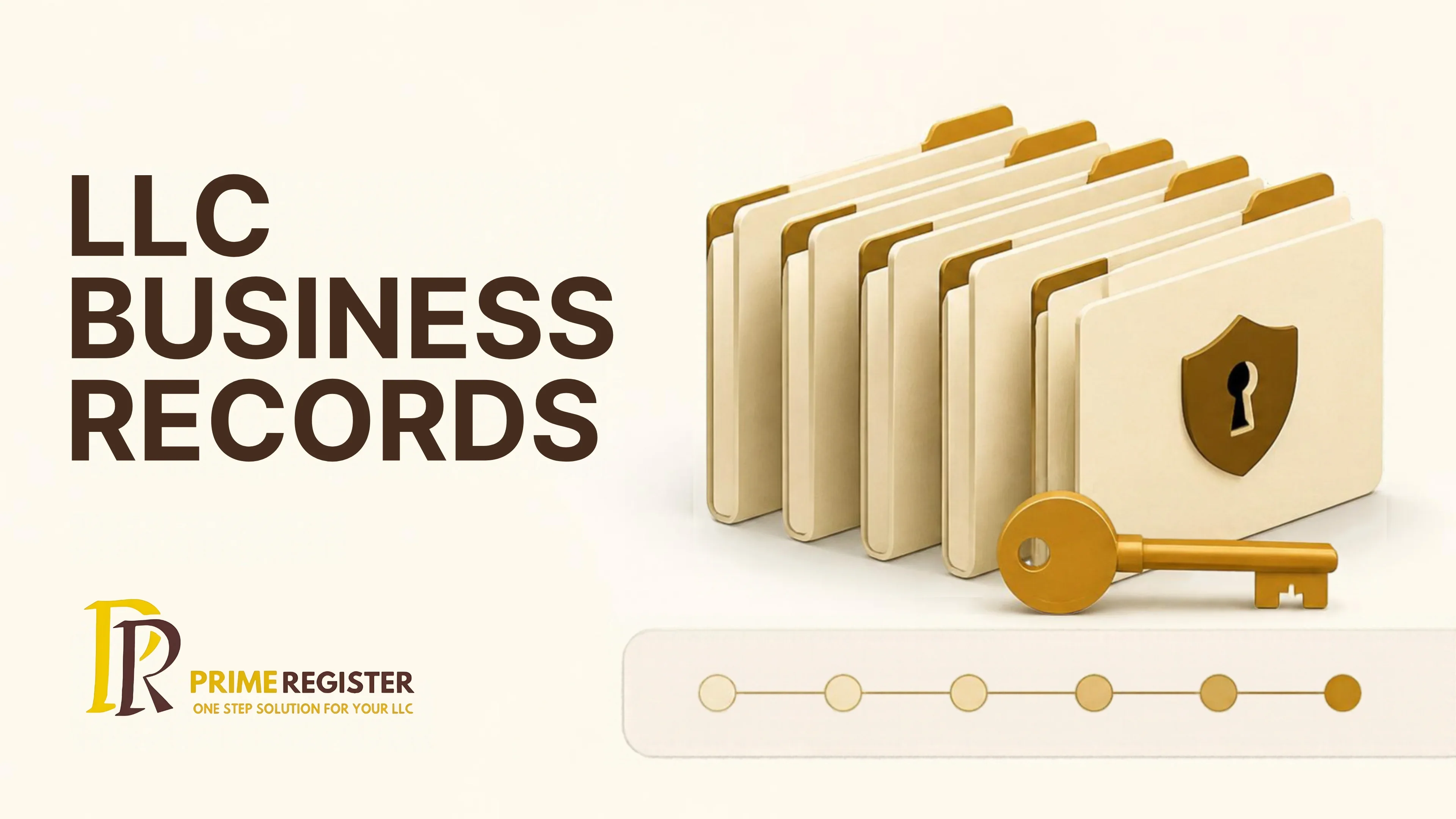
LLC business records should explain what the company is, who owns and controls it, what decisions were approved and how money moved. A folder containing only the formation certificate is not enough to support banking, ownership changes, tax preparation or a future sale.
LLC business records should explain what the company is, who owns and controls it, what decisions were approved and how money moved. A folder containing only the formation certificate is not enough to support banking, ownership changes, tax preparation or a future sale.
Recordkeeping duties come from several sources, including state law, tax rules and contracts. There is no single retention period that safely covers every company document.
LLC business records: use six core folders
| Folder | Typical contents |
|---|---|
| State | Articles, amendments, reports and status evidence |
| Governance | Operating agreement, consents, ownership schedule and authority |
| Federal and tax | EIN evidence, elections, returns, notices and payment records |
| Finance | Bank statements, reconciliations, invoices, receipts and loan records |
| Contracts and operations | Customer, supplier, employment, license and insurance records |
| Changes and closure | Ownership transactions, reorganizations and dissolution evidence |
As a state example, Florida's LLC records statute identifies categories including member and manager information, agreements, filed documents, financial records and contribution information. Apply the governing state's actual requirements to your company.
Keep an accurate ownership and authority record
Maintain a current schedule of owners and interests, supported by admission, transfer or other transaction documents. Record management and signing authority separately. A bank signer is not automatically an owner, and an owner may not have unlimited authority under the agreement.
After a change, retain the earlier version with its effective dates. The ownership transfer guide explains why transaction history matters during a sale.
Preserve official evidence in its original form
Save accepted documents and agency confirmations. Keep draft, submitted and accepted versions distinguishable. Do not overwrite a filed document with an edited version to reflect a later change.
If you need an official updated record, use the proper filing. If a recipient needs certification, follow the certified documents guide.
Connect financial records to transactions
The IRS recordkeeping guidance explains the need for records supporting income, expenses and other tax items. A bank statement shows that money moved, but often does not explain whether it was revenue, a loan, owner funding or a reimbursement.
Attach invoices, receipts and agreements to the relevant entries. For a foreign-owned company, separately identify related-party transactions. Our bookkeeping guide covers the monthly accounting routine; this article focuses on the broader company archive.
Set retention and access rules
Use the IRS retention guidance to understand that periods depend on the record and circumstances. State law, employment rules, assets, disputes and contracts can require longer retention. Keep foundational documents and important transaction history for the continuing life of the business and obtain advice before disposal.
Restrict access to identity and tax information, maintain secure backups and preserve any legally required member access. Give advisers only the records necessary through a secure channel.
Review the folder after important events
Update it after a name change, new owner, tax election, new state registration or closure. A quarterly administrative check can catch missing acceptance records before a bank or buyer asks for them.
Contact PrimeRegister if you need help identifying the formation records included in your service. Keep professional recordkeeping and retention advice specific to your jurisdiction and activities.
If you have not formed the company yet, review our LLC formation gig on Fiverr (IncorpoDesk) and agree on the records you will receive after filing. Download those deliverables into your own company folder rather than relying on a marketplace message history.