Tax and Compliance
LLC Owner Contributions vs Loans: Record Funding Clearly
LLC owner contributions vs loans is a question about what the owner and company intend a payment to represent. A contribution funds the owner's investment. A genuine loan creates a repayment obligation under its terms. The accounting label should follow the real arrangement, not be selected afterward to produce a preferred tax result.
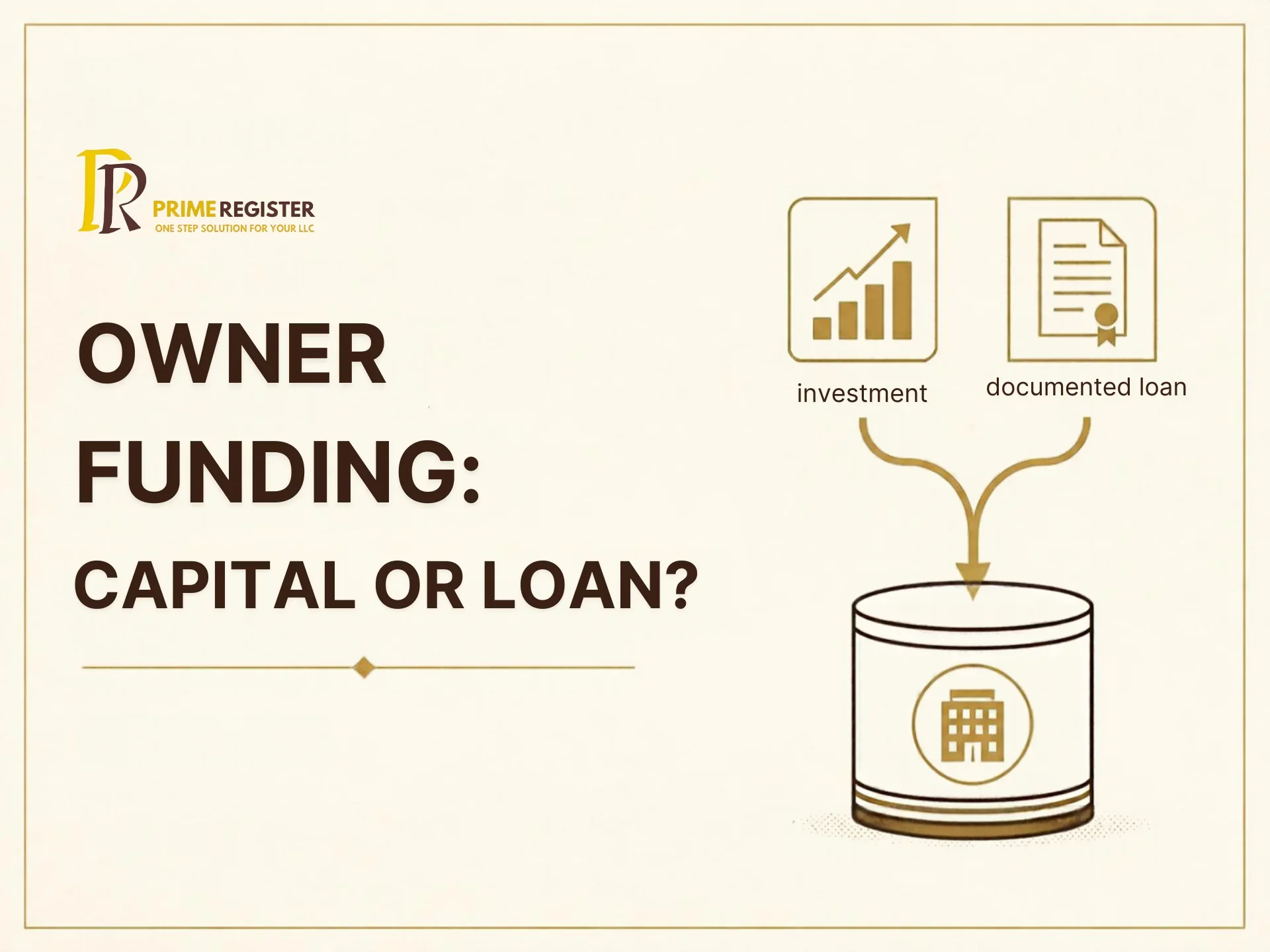
LLC owner contributions vs loans is a question about what the owner and company intend a payment to represent. A contribution funds the owner's investment. A genuine loan creates a repayment obligation under its terms. The accounting label should follow the real arrangement, not be selected afterward to produce a preferred tax result.
The treatment also depends on the LLC's tax classification. A transaction between a disregarded LLC and its owner can be treated differently for federal income tax from a loan to an LLC taxed as a partnership or corporation.
LLC owner contributions vs loans: compare the evidence
| Issue | Contribution | Genuine owner loan |
|---|---|---|
| Intended relationship | Equity investment | Debtor-creditor arrangement |
| Core records | Approval and capital or ownership records | Signed terms, principal and repayment schedule |
| Repayment expectation | Depends on distributions and governing rules | Governed by enforceable loan terms |
| Returns to owner | Distribution or other equity treatment | Principal and interest analyzed separately |
| Tax review | Basis, allocations and distribution rules | Debt characterization, interest and related-party rules |
This comparison organizes the facts; it does not establish tax treatment on its own. The IRS partnership publication explains why contributions, liabilities and distributions require more than a bank-transfer label.
Decide the arrangement before sending money
Document who provides the funds, the amount, currency, date and purpose. If the funding changes ownership, state the agreed rights and approvals. If it is a loan, record terms that fit the actual commercial arrangement and obtain advice on interest and related-party requirements.
For two owners, one person's additional cash does not automatically change the ownership split. Review the operating agreement and member admission or ownership-change process if interests will change.
Keep reimbursements separate
An owner who pays a company expense personally may be due a reimbursement, rather than making a permanent contribution or loan. Keep the original receipt, business purpose and approval, and have the accountant determine the correct treatment.
Avoid mixing unrelated transactions in one “owner payment” account. A software subscription, startup cash transfer and repayment of principal have different explanations even if the same person is involved.
Foreign-owned disregarded LLCs need extra attention
Federal income-tax disregard does not eliminate separate information reporting. The Form 5472 instructions address reportable transactions of foreign-owned US disregarded entities, including relevant funding and distribution transactions.
Do not assume a payment disappears from all reporting because owner and LLC are disregarded for income tax. Read the Form 5472 guide and give the preparer the complete transaction record.
Track later withdrawals consistently
When money goes back to the owner, identify whether it is reimbursement, loan principal, interest, distribution or compensation. Do not automatically net every withdrawal against every contribution.
Use the owner draws versus salary guide for outgoing payments. Reconcile the ledger with bank records and preserve the underlying agreements in the company records folder.
For formation administration questions, contact PrimeRegister. Have a qualified accountant or tax adviser establish the treatment of owner funding, especially where owners and entities are in different countries.
If the business still needs to be formed, you can review our LLC formation gig on Fiverr (IncorpoDesk) for registration support. Keep the accounting and tax treatment of owner contributions or loans with the professional reviewing those transactions.