Tax and Compliance
Form 1099-K for LLC Owners: Thresholds, Fees and Taxes
Receiving a 1099-K does not tell you your taxable profit. Learn how to reconcile payment reports and avoid confusing a reporting threshold with a tax exemption.
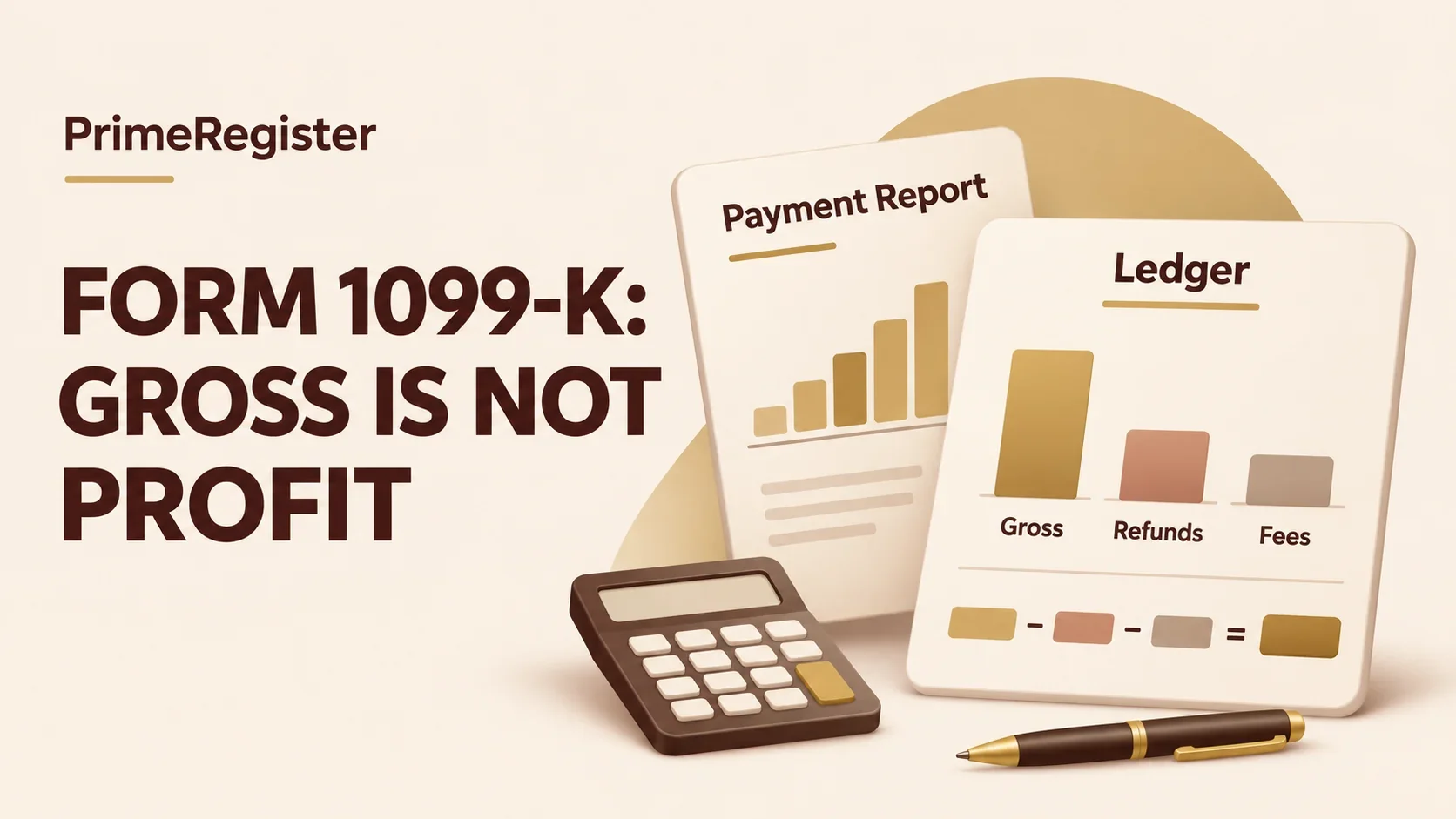
Form 1099-K for LLC owners reports certain payment transactions; it is not a bill showing the tax you owe. Its gross-payment figure can differ from your bank deposits and taxable profit. Your first job is to reconcile the form with business records, then determine the appropriate tax treatment based on the LLC's classification and the owner's circumstances.
For non-US owners, there is one more distinction: receiving or not receiving this form does not settle US tax residency, the source of income or separate foreign-owned LLC filing requirements.
Form 1099-K for LLC owners: what the form does
Payment settlement entities use Form 1099-K to report payment-card and certain third-party network transactions. The report helps document payment activity; it does not replace your books or determine which expenses are deductible. Start with the IRS overview of Form 1099-K.
Think of the form as one piece of a reconciliation. You also need platform transaction reports, refund records, invoices and bank statements. If those records disagree, investigate the difference rather than choosing whichever total produces the lowest income.
What is the current reporting threshold?
As of the research date, the federal third-party settlement organization threshold is more than $20,000 and more than 200 transactions. Both conditions apply to that threshold. Payment-card transactions have no minimum reporting threshold. Reports can also be issued below the third-party threshold, and other reporting rules may apply. IRS general Form 1099-K FAQs.
Here is how the two-part third-party threshold works, considered on its own:
| Gross payments and transaction count | Are both conditions exceeded? |
|---|---|
| $25,000 across 180 transactions | No—the transaction count is below the threshold |
| $19,000 across 250 transactions | No—the payment amount is below the threshold |
| $25,000 across 250 transactions | Yes |
These examples do not establish whether a particular provider must issue a form under every applicable rule. They illustrate why the words “and” and “more than” matter. Do not apply this table to payment-card reporting as though it had the same threshold.
Most importantly, a reporting threshold is not a tax-free allowance. The absence of a form does not make otherwise taxable business income disappear.
Why the form can be larger than your bank deposits
The gross amount is not automatically reduced for such items as processing fees, refunds or shipping. The IRS explains these differences and how to handle errors in its guide to what to do with Form 1099-K.
Consider this simplified bookkeeping example:
| Item | Illustrative amount |
|---|---|
| Gross customer payments | $30,000 |
| Refunds shown separately in the transaction records | ($2,000) |
| Processing fees | ($900) |
| Remaining amount before other costs and timing differences | $27,100 |
That $27,100 is not a conclusion about taxable profit. Inventory, other expenses, accounting methods, currency conversion and tax rules still need review. Reserves, payout delays and year-end timing can also prevent the arithmetic from matching the year's bank deposits exactly.
The practical lesson is to record each component separately. Entering only net deposits as sales can hide fees and refunds and make the form look inexplicably wrong later.
A reconciliation process you can repeat every year
- Collect each payment report. Download the annual and monthly transaction exports from every relevant platform.
- Confirm the recipient details. Compare the name and taxpayer number with the appropriate records for that account and tax arrangement.
- Tie gross payments to the ledger. Investigate missing months, duplicate imports and transactions assigned to the wrong business.
- Separate adjustments. Track refunds, fees, disputes and other movements rather than burying them in a single net-sales number.
- Bridge the payout timing. Explain amounts received by the platform in one period but deposited in another.
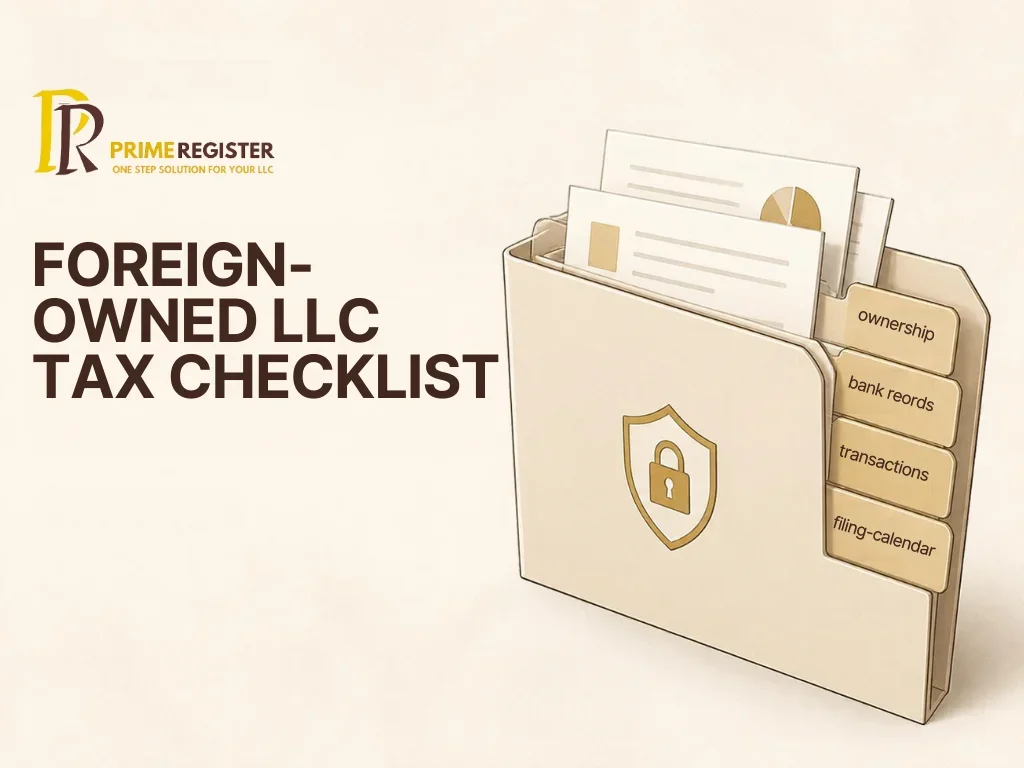
- Keep a written reconciliation. Save the reports, calculations and explanations with the year's tax records.
For an overseas owner, include the currency used in each report and document the method used for any conversion. A spreadsheet with unexplained exchange rates is difficult for a preparer to review. Our bookkeeping guide for foreign-owned LLCs provides a wider recordkeeping framework.
What if the name, taxpayer number or amount is wrong?
Contact the issuer shown on the form and request a correction when the information is incorrect. Keep the original, the corrected version if issued and your correspondence. The IRS guidance says not to delay filing simply because a correction has not arrived; ask a tax professional how to report the actual facts accurately. IRS correction guidance.
Do not edit the PDF yourself and treat it as a corrected information return. Also distinguish a genuinely wrong gross-payment figure from a correct gross figure that differs from net deposits.
If an account changed ownership or entity during the year, create a timeline of the change and provide the underlying records to the issuer and preparer. Avoid assigning the entire year's activity to whichever entity happens to own the account today.
Which tax return does an LLC owner use?
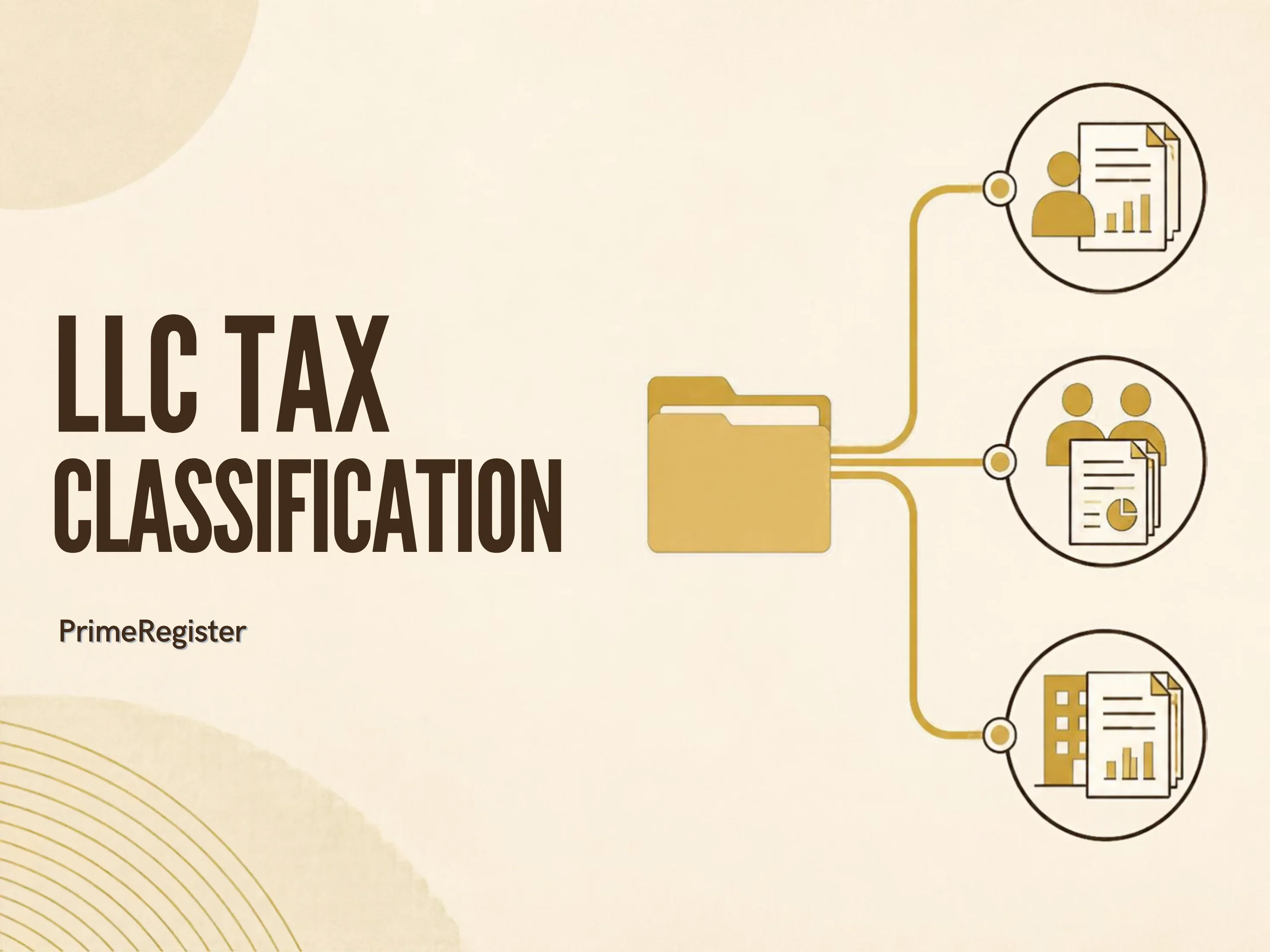
There is no single answer for all LLCs. Federal tax treatment depends on ownership and applicable elections. A single-member LLC, a partnership-classified LLC and an LLC taxed as a corporation can have different reporting paths. IRS explanation of LLC tax classification.
For that reason, “put the amount on Schedule C” is not safe advice for every reader. Determine the correct taxpayer and return first, then use the reconciled business records to prepare it. Our LLC tax-classification guide explains the starting questions.
Extra checks for a foreign-owned LLC
A US LLC's formation and its EIN do not automatically make the foreign owner a US person for every tax purpose. Nor does a payment report prove that every dollar is US-source income. Review the actual work, transactions, ownership and relevant tax rules with a preparer familiar with cross-border businesses.
Separately, a foreign-owned US disregarded entity with reportable related-party transactions can have Form 5472 and pro forma Form 1120 obligations. Those obligations are not controlled by the Form 1099-K payment threshold. IRS Form 5472 instructions.
For example, an owner funding company expenses may need a related-party transaction review even when customer receipts are small. Keep owner contributions, withdrawals and reimbursements identifiable in the books. Read our Form 5472 and pro forma 1120 guide for the separate filing framework.
What to send your tax preparer
Provide every original and corrected 1099-K, the underlying payment exports, the reconciliation, bank records, ownership details and any entity or tax-election changes. Add records of owner-company transactions when relevant. A clear explanation of unresolved differences is more useful than silently adjusting the books to force a match.
The goal is accurate reporting supported by evidence—not simply copying a payment-form total onto a return. If you need help understanding the company-formation and ongoing-obligation questions to discuss with a professional, contact PrimeRegister.
Research checked 7 November 2026. Provider requirements and tax guidance can change; use the current official instructions for your circumstances.