Tax and Compliance
South Carolina Tax Filing for LLC Owners
South Carolina tax filing for an LLC begins with its tax classification and South Carolina activity. The state generally follows the federal classification of the LLC for income-tax purposes, so a disregarded company, partnership, S corporation and C corporation do not all use the same return.
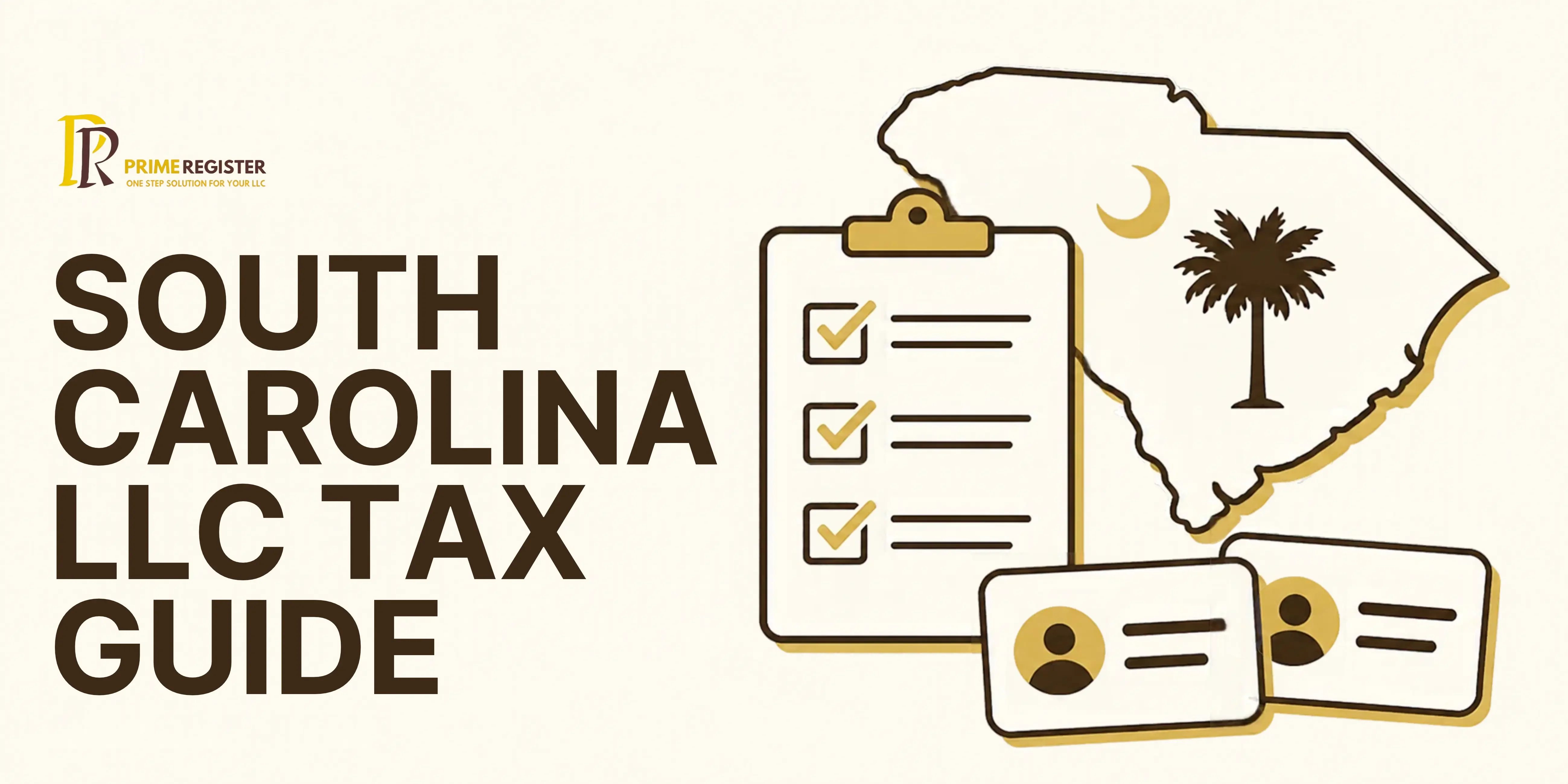
South Carolina tax filing for an LLC begins with its tax classification and South Carolina activity. The state generally follows the federal classification of the LLC for income-tax purposes, so a disregarded company, partnership, S corporation and C corporation do not all use the same return. South Carolina corporate tax FAQ.
An LLC formed elsewhere can still have South Carolina tax questions. Conversely, a formation document alone does not identify every tax owed. Describe the operations, owners and locations before selecting a return.
South Carolina tax filing: identify the reporting route
| LLC treatment | General reporting direction |
|---|---|
| Disregarded entity | Activity reported through the owner under applicable rules |
| Partnership | Review SC1065 and partner reporting |
| S corporation | Review SC1120S and shareholder requirements |
| C corporation | Review SC1120 and corporate obligations |
Use the LLC classification guide if the federal starting point is uncertain. An S election requires valid eligibility and acceptance; it should not be inferred merely because the owner takes distributions.
Give partnership and nonresident rules their own review
South Carolina's partnership guidance describes filing for partnerships doing business or owning property in the state. Nonresident partners can introduce withholding, affidavit or composite-return questions.
Prepare an owner schedule showing residence, ownership percentage, dates of changes and the nature of each owner. A US address used for mail is not a substitute for determining the owner's actual tax residence.
For example, a partnership with one resident and one nonresident owner should not assume that issuing federal Schedule K-1 forms completes South Carolina reporting. The preparer needs to assess the state return and each owner's treatment separately.
Separate income tax from licenses and other accounts
Corporate license fees and other business taxes should be reviewed where relevant to the entity's classification. Sales tax, employer withholding and local business licenses are additional workstreams. The LLC versus business license guide explains why formation and operating permission differ.
List all open accounts and the filing frequency assigned to each. Do not cancel an account simply because the company had a loss; reporting requirements can exist even when no payment is due.
Prepare a complete year-end handoff
Gather the federal return or draft, election letters, accounting statements, South Carolina revenue and property information, payroll reports, prior returns and payment confirmations. Identify activity in other states so the preparer can consider allocation or apportionment.
Keep member funding separate from customer receipts. The owner contributions versus loans guide helps organize those transactions before they enter the tax calculation.
Record acceptance and the next deadline
Save state filing acknowledgments and reconcile payments to the correct period. A transmission receipt from software may need a later acceptance check. Keep entity-maintenance records separate from tax evidence, as explained in the annual report versus tax return guide.
If the company is closing, review final-return and account-closure procedures with the preparer. Stopping business activity and completing all reporting obligations are different milestones.
Use a qualified tax professional for the calculations and elections that apply to your facts. For a separate question about setting up a new LLC, contact PrimeRegister to discuss formation support.